

Take That Step #61


The winner of this World Cup was Keyne Yamal, Lamine’s charismatic little bro :)
1) I wrote about the first kiss in art history, that I just saw on the walls of the Scrovegni Chapel, in Padua. I posted the other day on my Instagram a photo of Anna and Joachim, Maria’s parents, kissing in the fresco. Right next to it, I added one of my favorite art-kisses, a sculpture by Brancusi. I could have also placed Klimt’s there. But I was soon corrected by my brilliant friend, the artist Pedro França. He shared a picture of Serra da Capivara, in Piauí, Brazil. Of course, in the land of Carnival, the first kiss had been recorded 15 thousand to 30 thousand years before Giotto’s “seminal” kiss. How can you not love these kinds of news?
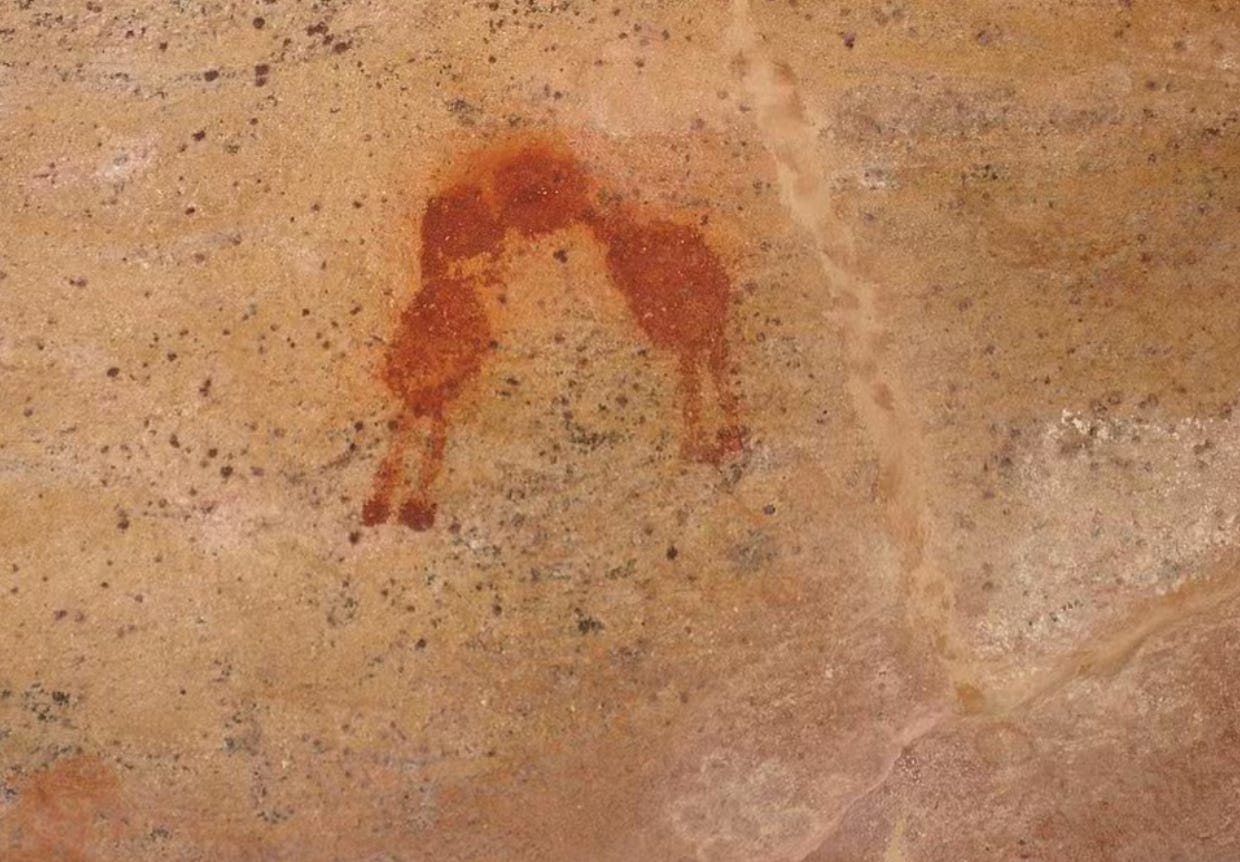
Brazil’s first kiss painted 15.000-30.000 years ago!
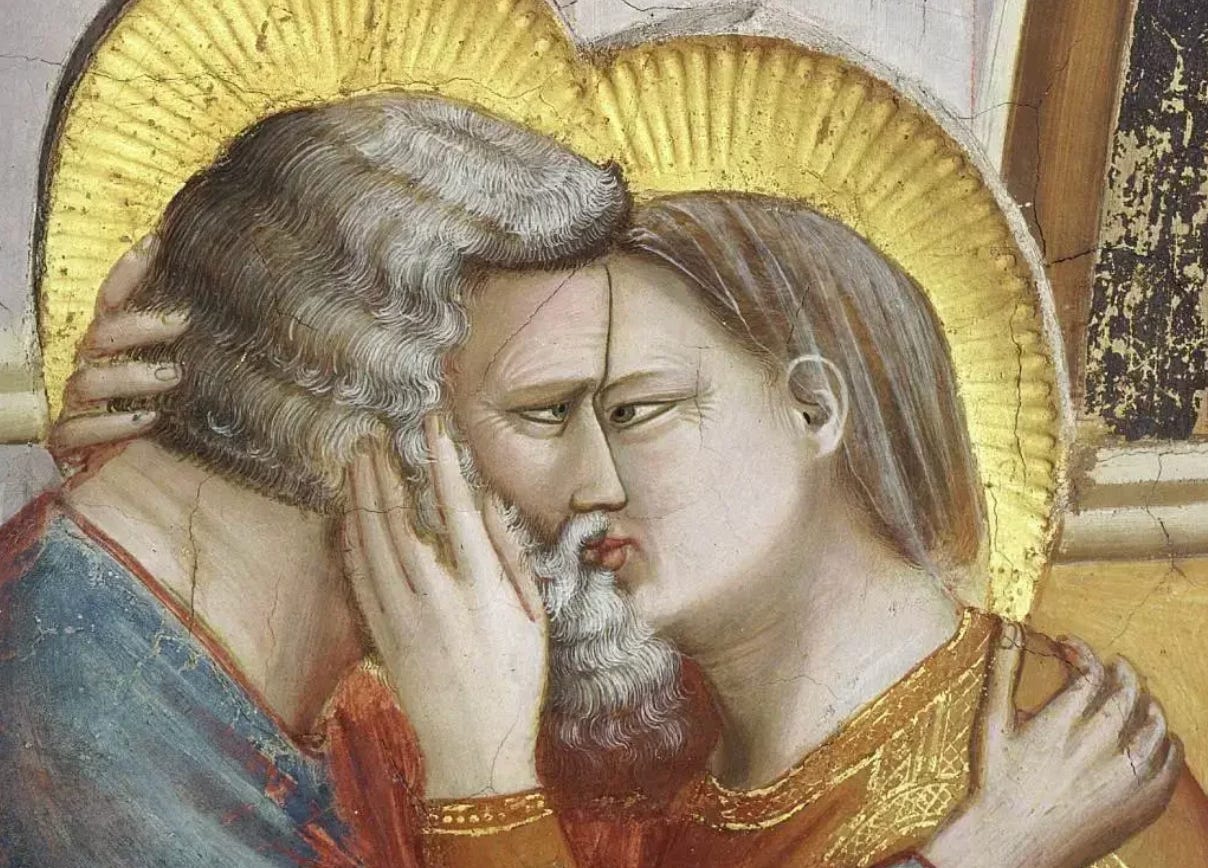
Giotto, 1305
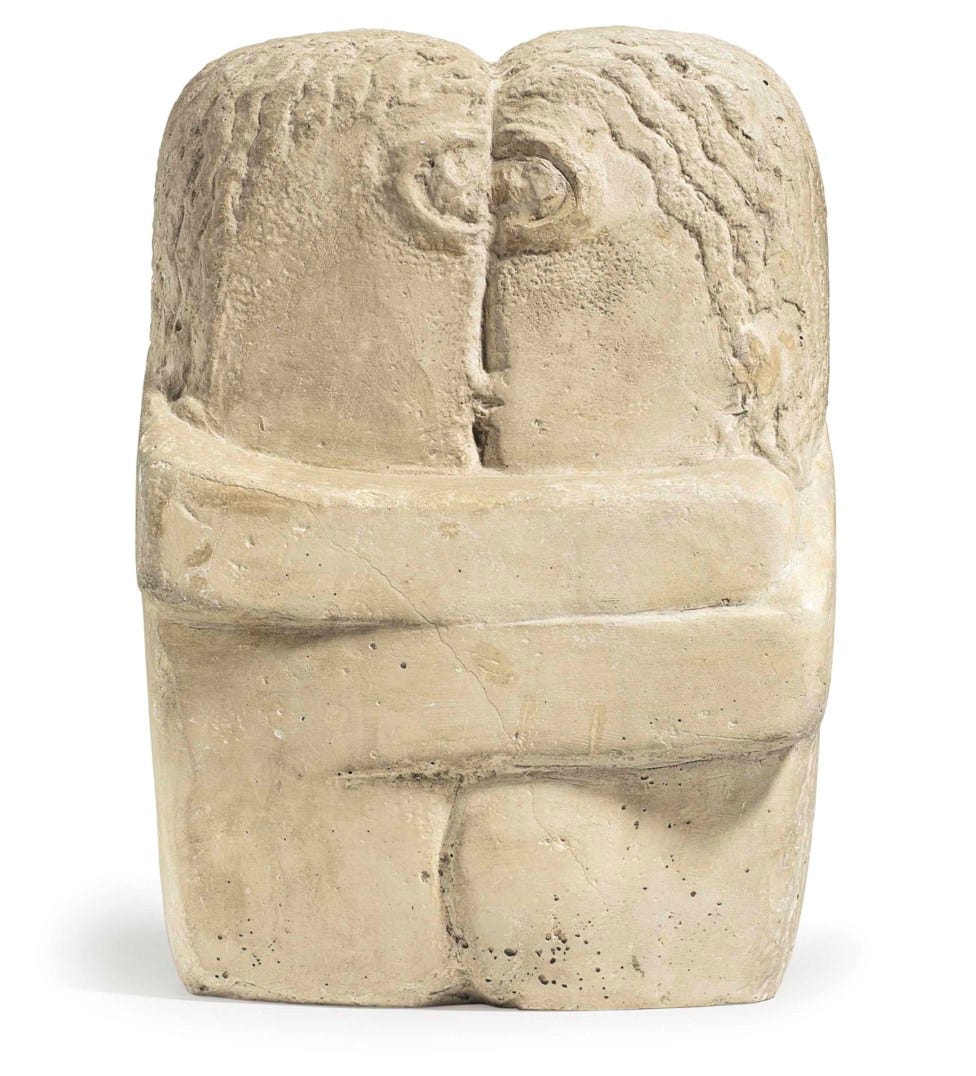
Brancusi, 1923-25
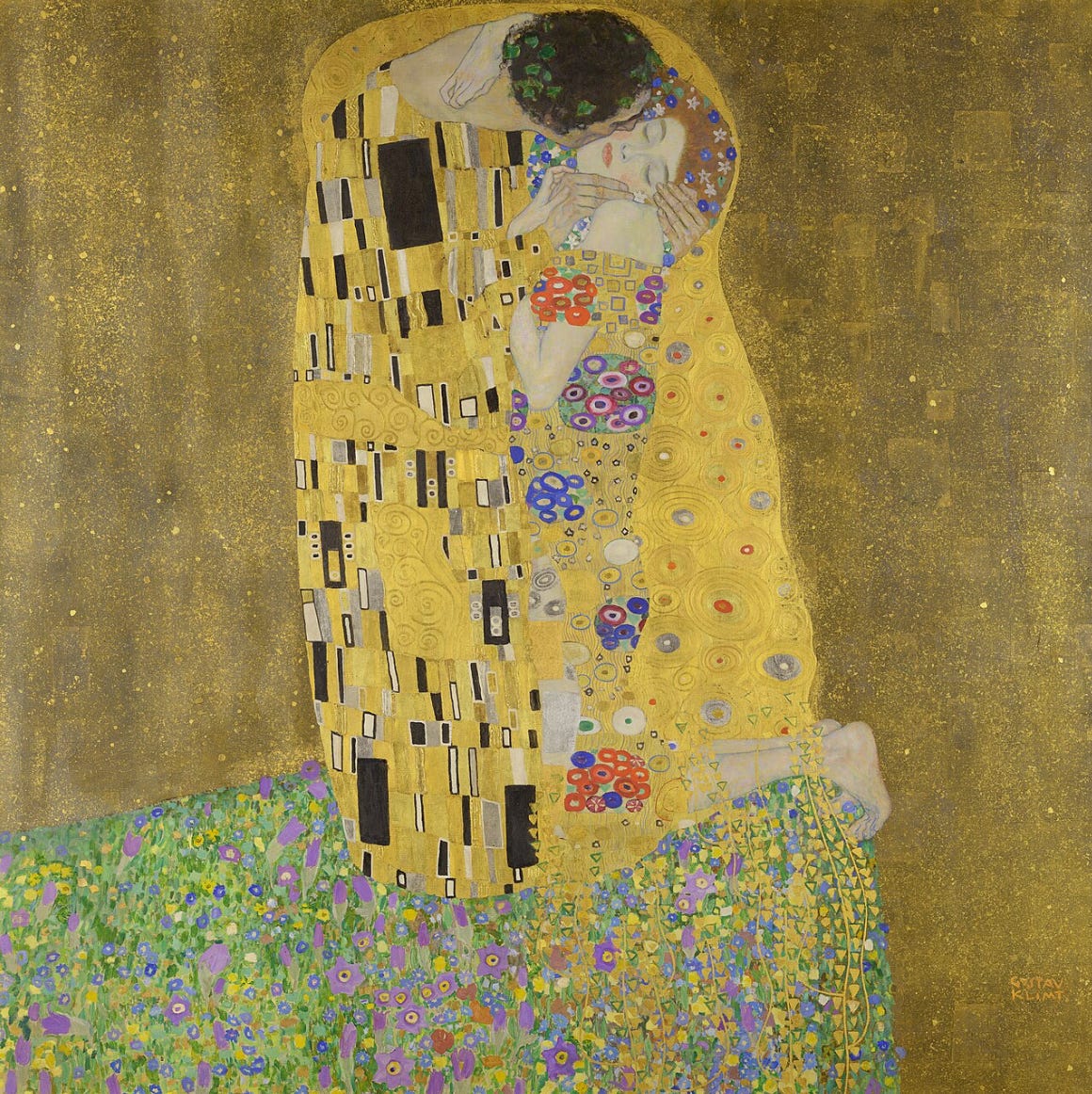
Klimt, 1907-08
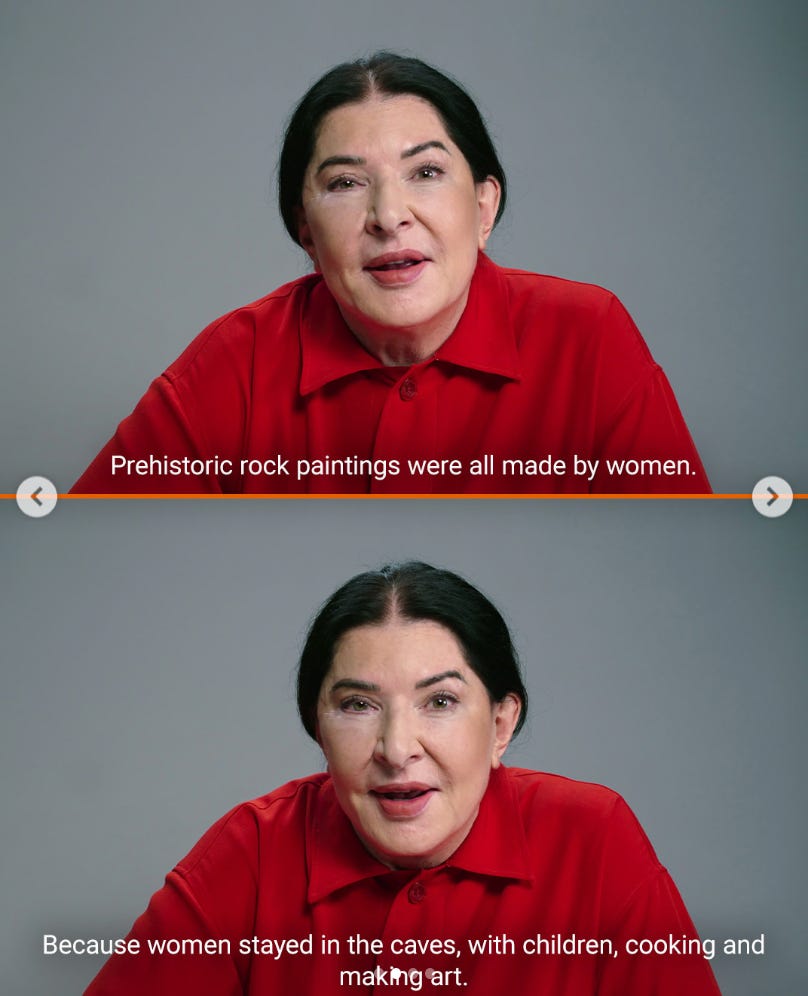
2) Speaking of cave paintings, Marina Abramovic commented a scientific discovery that these cave artworks were made by women while men hunted! They stayed in the cave taking care of the children, cooking and making art :) This reminded me of the wonderful text The Carrier Bag Theory of Fiction (1986) by Ursula LeGuin on the subject.
3) Still on mothers and caves, my therapist recently posted a quote by Aline Bei about the mess children make at home. I am used to constantly reminding my teenage children to take their dishes to the kitchen and remove their wet towels out of bed, so was thrilled with the excerpt:
But it’s beautiful, yes, to see someone’s stuff scattered around the house. It gives us love for the person and for the house.
4) The Brazilian TV show Roda Viva interviewed the author Ana Maria Machado. Much of the questions were about censorship and cancel culture. When answering requests to change the content of her 1980s books and potential cancellation of certain publications, she said:
The secret [to dealing with these issues] is not to read less, it is to read more.
5) Anni Albers:
Being creative is not so much the desire to do something, but rather to listen to what wants to be done: the dictatorship of materials.
Which reminded me of Ezra Pound:
The artist is the antenna of the race.
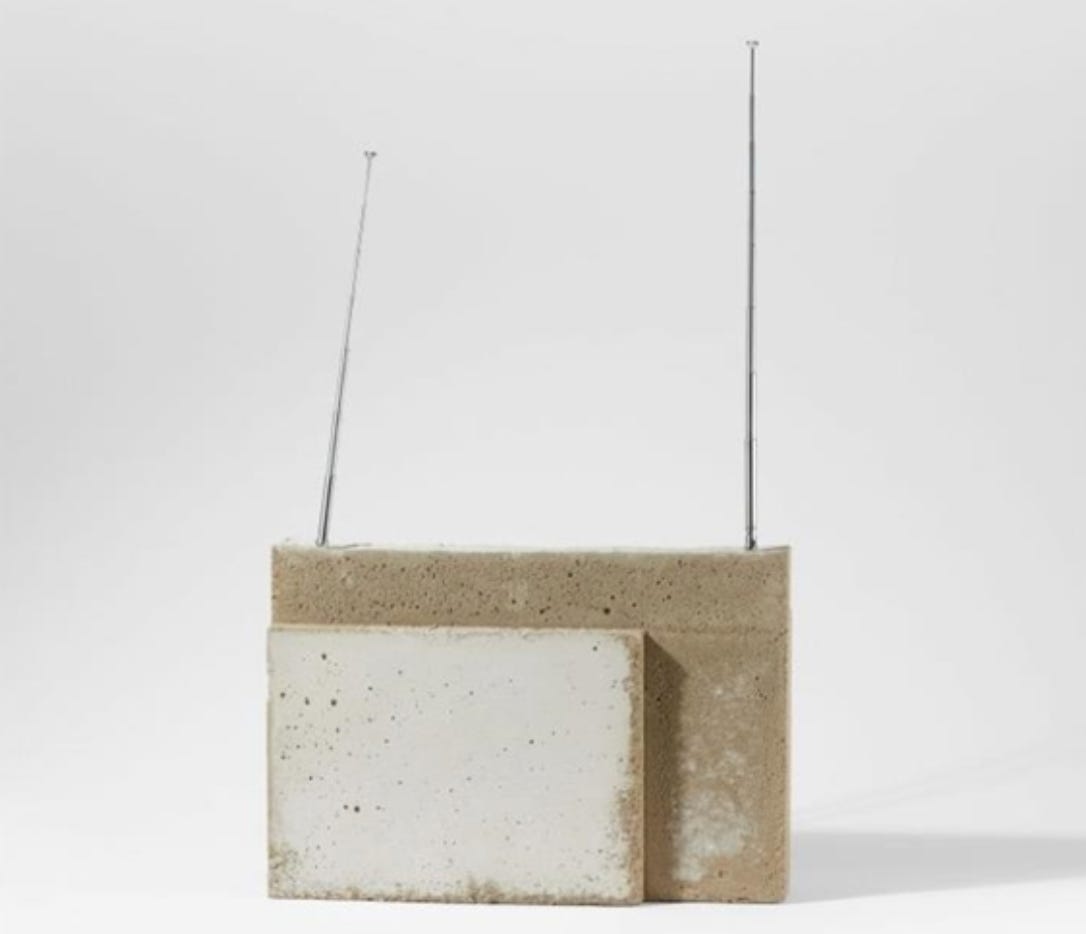
Isa Genzken, 2014
6) This text by Natalia Sulman on shyness uses the Odyssey as a starting point:
Shyness is a hypocritical form of vanity: you feel that it is too important to be imperfect in front of others. Athena tells Telemachus, “Do not be ashamed” (what she is saying is: forget a little about yourself and seek the truth). Being shy, in this context, begins as an excessive identification with the persona, that is, with the image that we wish to project to others. One prefers not to act to run the risk of looking imperfect. Do you know why so many people get a childish mind? Because they run away from all situations where their limitations may appear. They prefer to stay in the known (albeit small) terrain to enter the unknown, where they will inevitably have to err, ask and learn. They do this to protect the ego. Therefore, the great problem of shyness is the excess attachment to the “I.” “I can’t fail, I need to look perfect.”
Shyness may seem like humbleness, from people who do not want to draw attention, but it is just the opposite: it exists because one has become the center of their own attention. When you stop occupying this center, you start to do what needs to be done, because you are more interested in reality and people than in the image they will have of you.
Therefore, Athena’s intervention is deeply symbolic. Soon after saying, “You must not be shy,” she adds, “For you have crossed the sea to hear from your father.” It’s like saying, “The cure of shyness is thinking less about yourself. Remember your father. Remember your mission and do what needs to be done.”
The hero overcomes shyness when he stops prioritizing his own feelings to prioritize reality. From this perspective, the end of shyness marks the passage from childhood to adulthood. The child believes that his value depends on the impression he makes: the adult discovers that his value depends on the ability to do what needs to be done, even at risk of getting it wrong and being misunderstood.
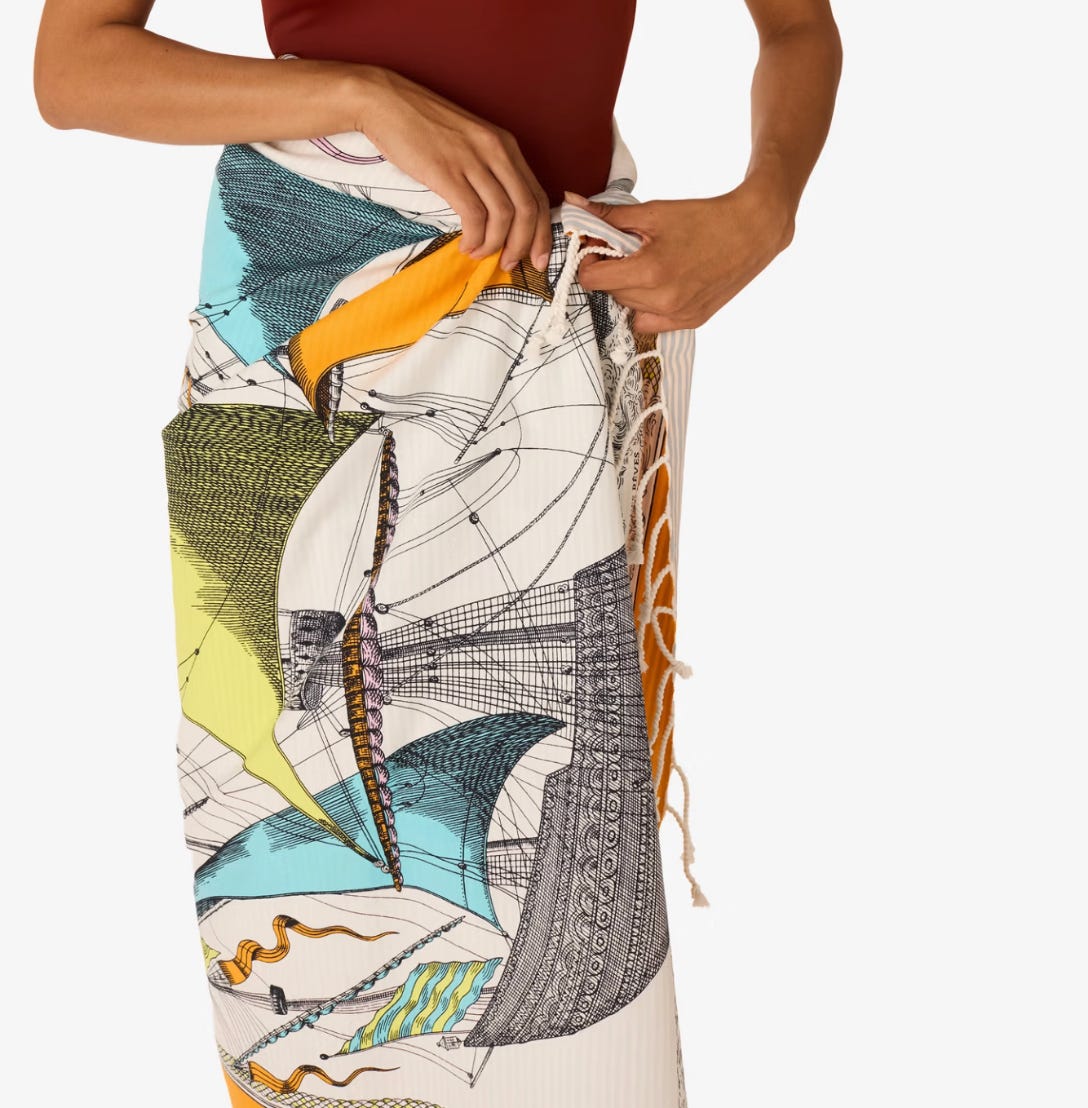
Love this Odyssey inspired scarf
7) David Hume:
Beauty is not a quality of things: it exists only in the mind that beholds them, and each mind perceives a different beauty.
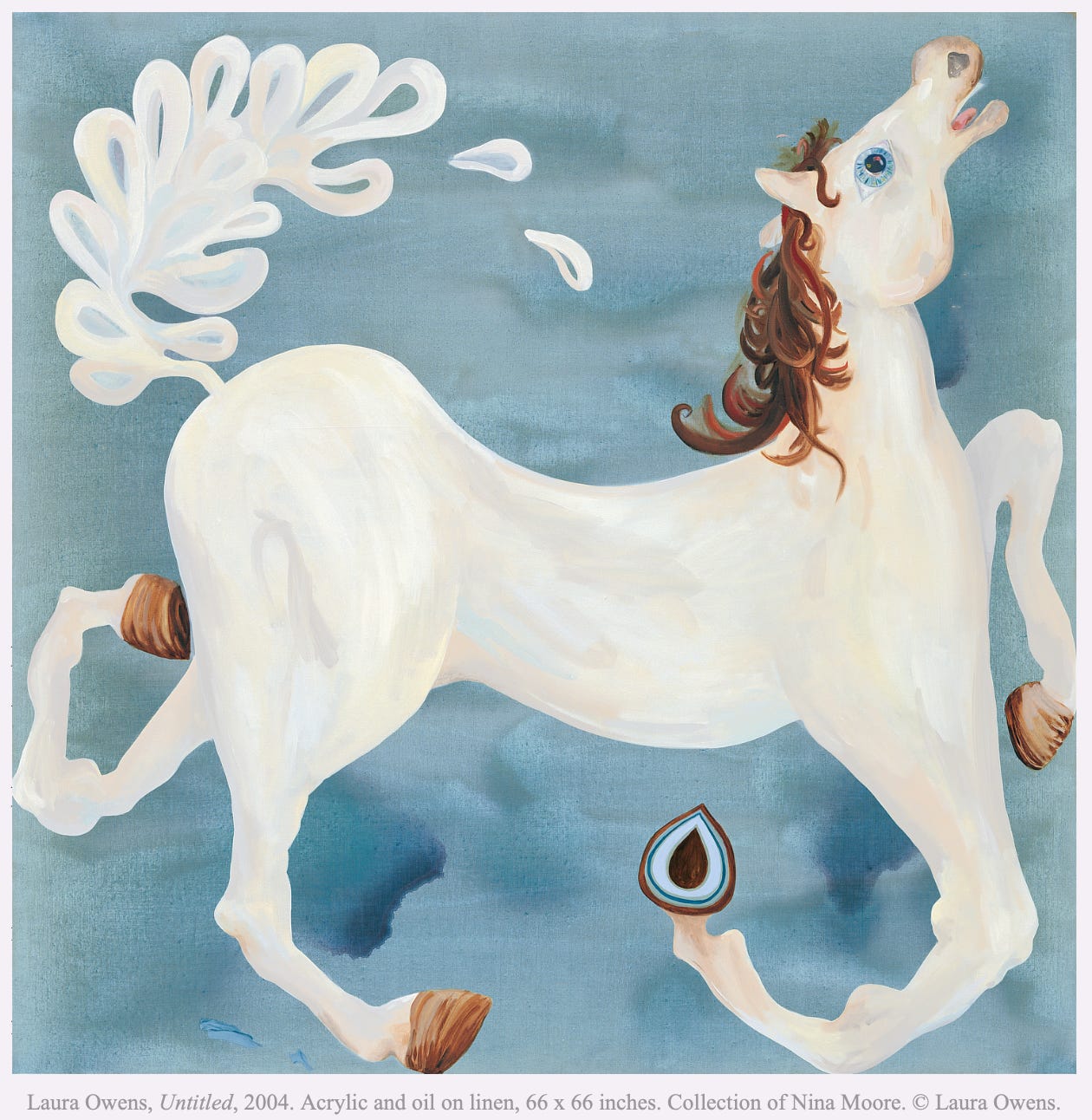
8) Hanna Piette via Paris Review:
I think about what I love and my love for it grows.
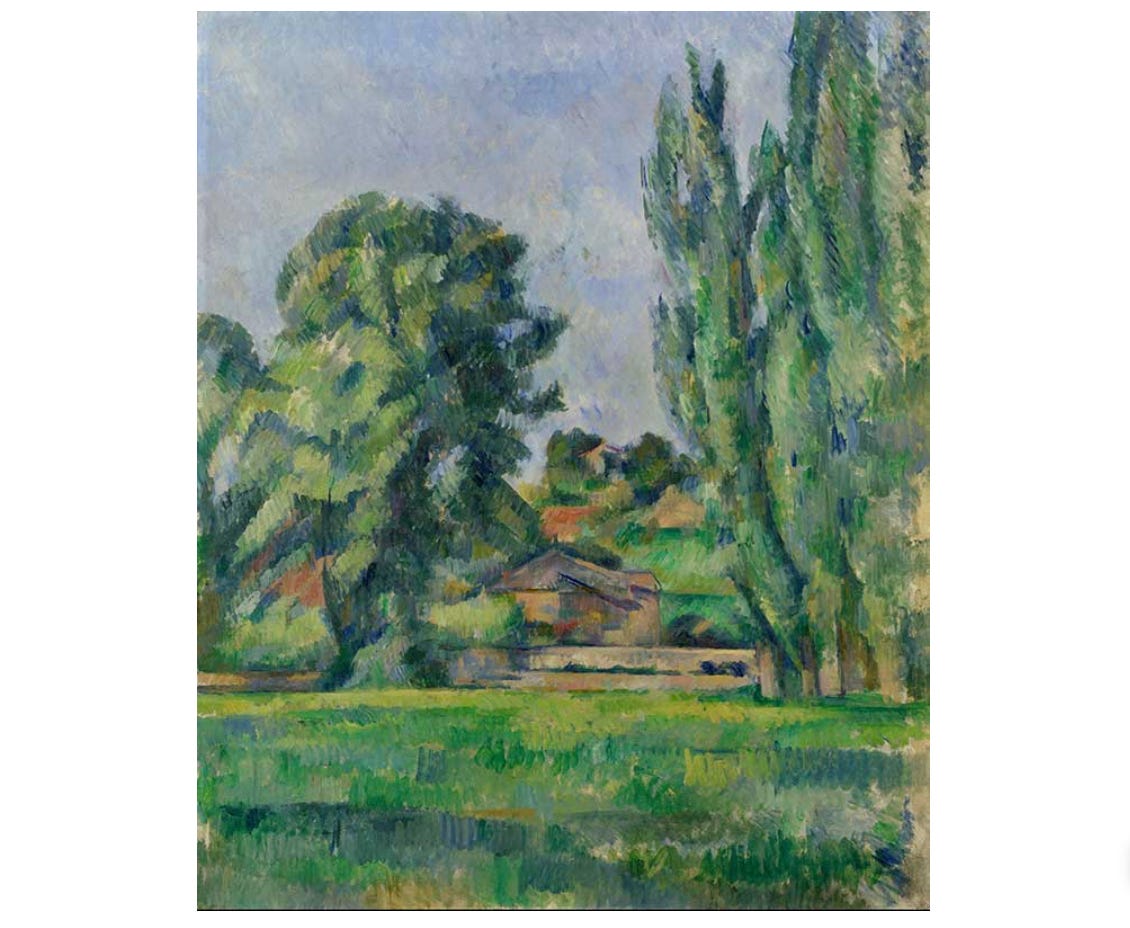
9) Cézanne, 1885-87
9) I enjoyed the comments of the art critic Celeste Marcus in conversation with Henry Oliver about artists. For her, Cézanne “is precise without being cold.” Almost as good as Laura Owens’ comment that Cézanne “is the god of paying attention-ness.’”
10) That’s what I’ve been listening to when I’m at the beach :)