

Take That Step #56

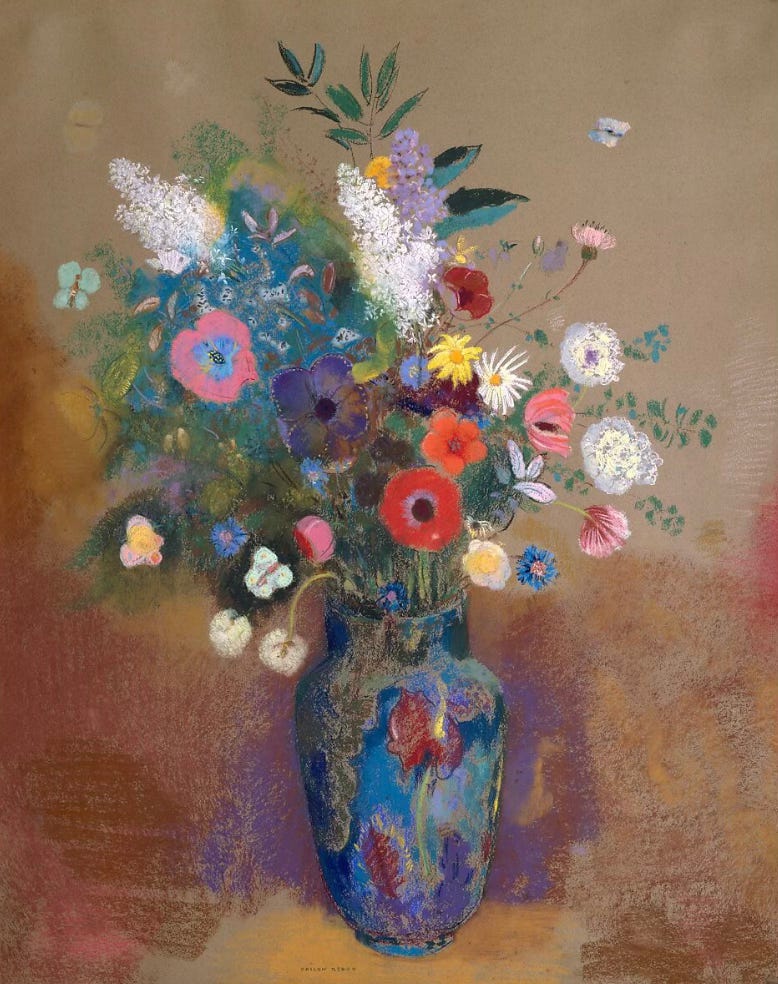
Bouquet of Flowers, Odilon Redon, ca. 1900–1905
1) It's very rare that I want to read the same book twice. But that's what happened when I encountered Jenny Odell's "How To Do Nothing". Last week, I heard about another text she wrote and loved every bit of it (read it here):
Tom told me about a way of looking that he had learned while doing horseback trail maintenance in the area. In order to prevent an accident, like the horse slipping and falling off the side of a trail, you had to look in a similar manner to the way that, he claimed, a horse looked—keeping some focus about 10 feet in front of you, but also aware of everything in your peripheral vision. He called this “soft eyes.” When I tried it, I noticed the carpet of redwood duff and the backs of Tom’s shoes while trying to let in the tips of tanoak and huckleberry that were passing my head on the sides. Almost instantly, I felt that I was more in the place than I had been a moment before.
When I later looked up “soft eyes,” I saw that versions of the practice come up in mindfulness, martial arts, hunting, and, in the case of at least one player, hockey. One piece of advice I saw for practicing soft eyes was to pretend that you were looking “from the back of your head” instead of from the front. Try it yourself: Go outside, or go to a window, and focus very intensely on one thing at a middle distance. Then, let the rest of the scene in, near and far, including the far sides of your peripheral vision, and even your own body in the space.
Whenever I do this mental exercise, something physical happens: Besides the change in what I am actively seeing, I inevitably find that parts of my body—my brow, jaw, neck, and shoulders—relax. I find that I am breathing more slowly, or not at all. I realize that in my habitual way of looking, I have been straining, trying to get at something. Looking can be aggressive. It turns out this might be my default way of looking. When I shared this with a friend who is a visual artist, who uses soft eyes for painting and life drawing, she called this aggressive gaze one that is “preoccupied with theft or consumption.”
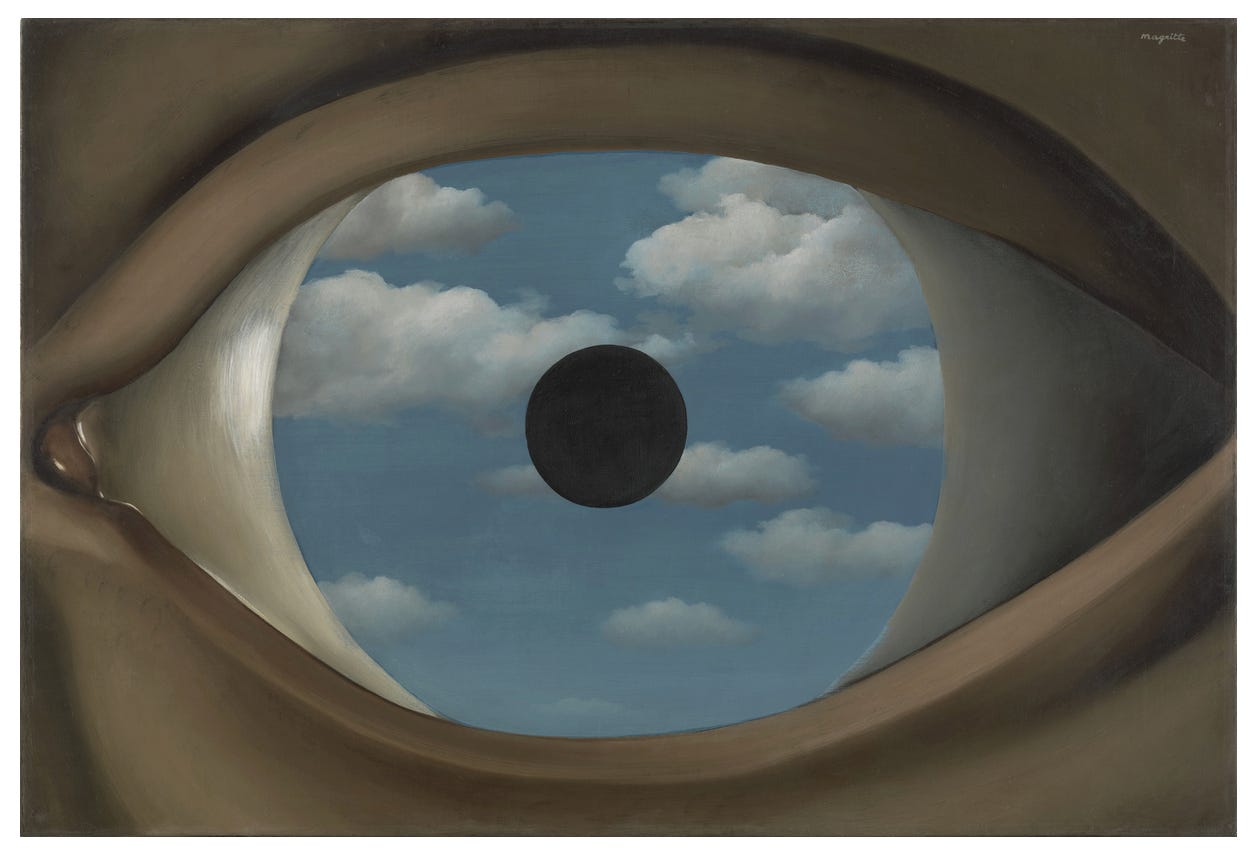
René Magritte, The False Mirror, 1929
2) What she says about the way we look, also applies to the way we listen:
The difference between soft eyes and the implied contrast—perhaps we can call it “hard eyes”—took me back to something that the composer and sound artist Pauline Oliveros wrote about her practice of deep listening. Oliveros defined the practice as “listening in every possible way to everything possible to hear no matter what you are doing.” For her, deep listening was something directed both outward and inward, to include the sound of “one’s own thoughts.” Oliveros wrote that she found deep listening necessary because we are culturally trained to do the opposite: to quickly analyze and judge, rather than to let something else in. The implication is that learning something like deep listening or soft eyes requires its own form of training.
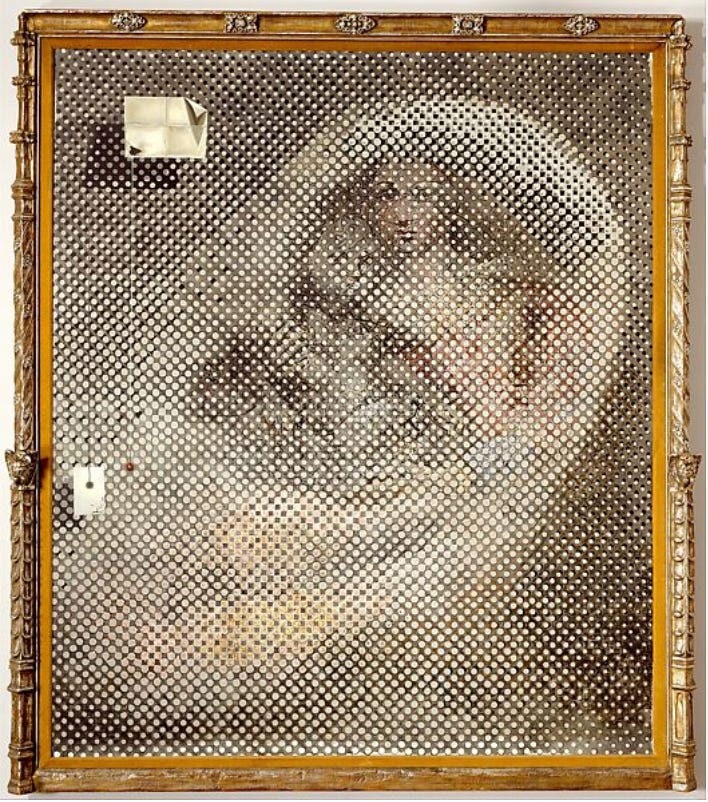
Salvadore Dali
3) And, here, she writes about birdwatchers:
My other examples from the book are of observing the natural world, particularly through birdwatching, a practice that requires “doing nothing” but also using all of one’s senses in order to have an encounter with a mercurial being. I describe learning to use iNaturalist, an app that helps you identify plants, and how this changes the resolution of my attention to spaces that were previously just “a bunch of green.”
Yet I’ve come to feel that there’s something not fully developed in How to Do Nothing. That something has to do with who or what is on the other side of observation, as well as who or what is doing the observing. There are a few moments where I sort of hint at it. At one point, I write that, while looking at birds, I’ve gone from asking “What’s there?” to “Who’s there?” And I quote Gloria Bird, member of the Spokane Tribe of Washington State, recalling how her aunt once looked at what was left of Mount St. Helens and said, “Poor thing.” Bird’s aunt, she writes, “spoke of the mountain as a person.”
The difference between a what and a who has to do with time. In the case of birdwatching, you may first identify something by how it looks or sounds, but years later, still watching, you continue to see varied behaviors, varied responses. More familiarity just brings more questions—the birds become more mysterious, not less.
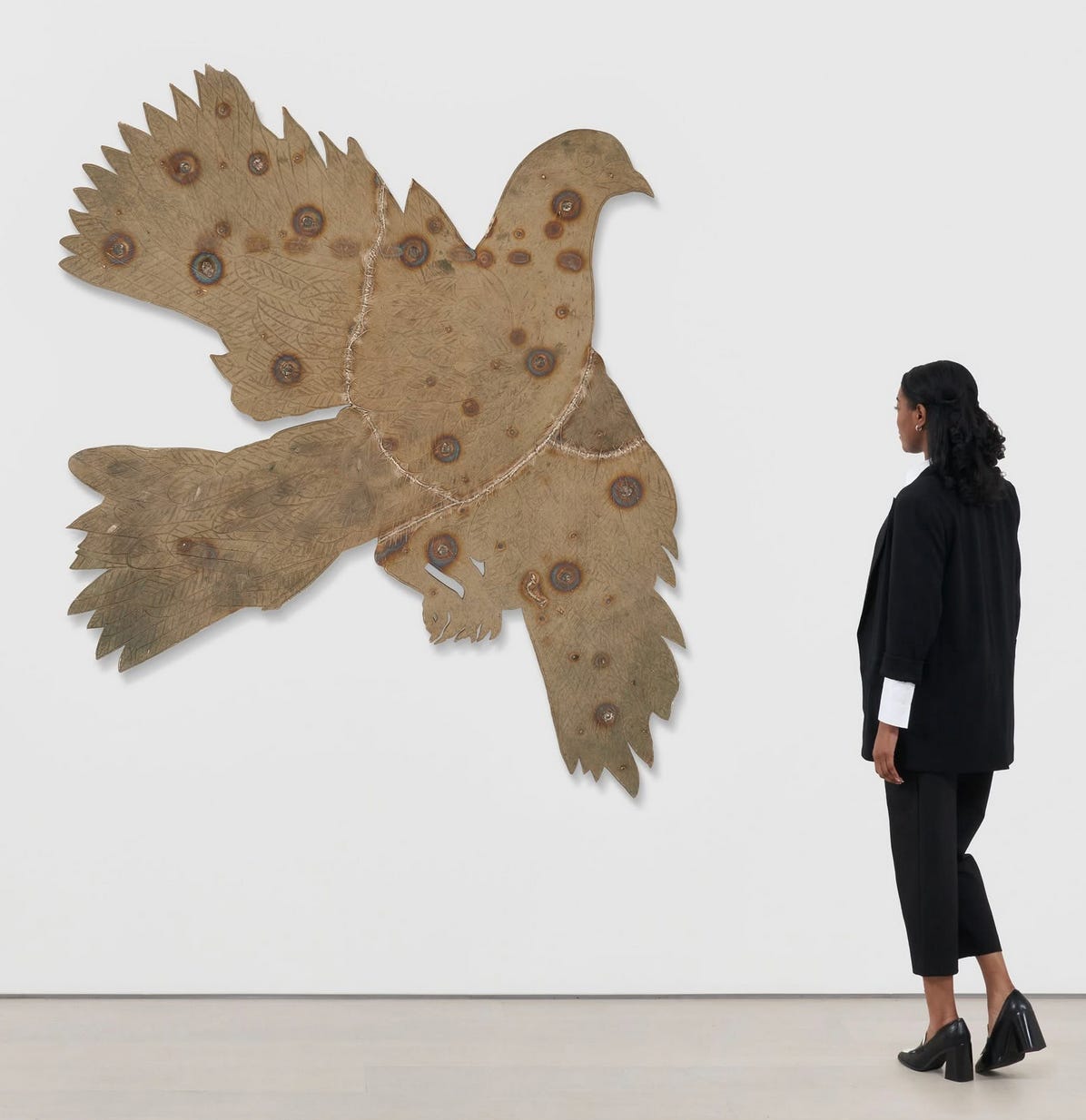
Kiki Smith
4) And the conclusion:
In the end, it may not be completely different from listening to each other. In a wonderful Bay Nature article about whether salamanders have feelings, Brandon Keim quotes an animal behaviorist and environmental studies professor who allows that we can never know the perspective of another being. But, the professor adds, “that is also true of you and me: I will never fully inhabit your perspective. And that impossibility doesn’t mean it’s not worth trying. Quite the reverse: It would be offensive if I refused to take your perspective merely for a lack of ever being able to know it perfectly. The trying is what matters.”
(…)
There, on the sand of its banks, you might see me. It is late afternoon and I am looking at the trees across the river, listening to them, trying to understand. I am softening my eyes to include everything around them. I do this for so long that eventually some boundary seems to fall away. In place of entities, all I sense is motion: of the air through the redwood needles and my own lungs; the water pushing past the sandstone cobbles, compressing the air and hitting my inner ear; the electricity on its pathways through my brain, reproducing the scene inside my head; the sun disappearing behind the ridge, the subsequent cold that I feel on my skin, the gravity keeping me on the banks. Something comes back to me, if only very briefly. I have set out to explore the trees and instead discovered—no, not quite myself. And not the individual trees, either. It’s something in between, almost like gossamer: a dialogue of earthliness.
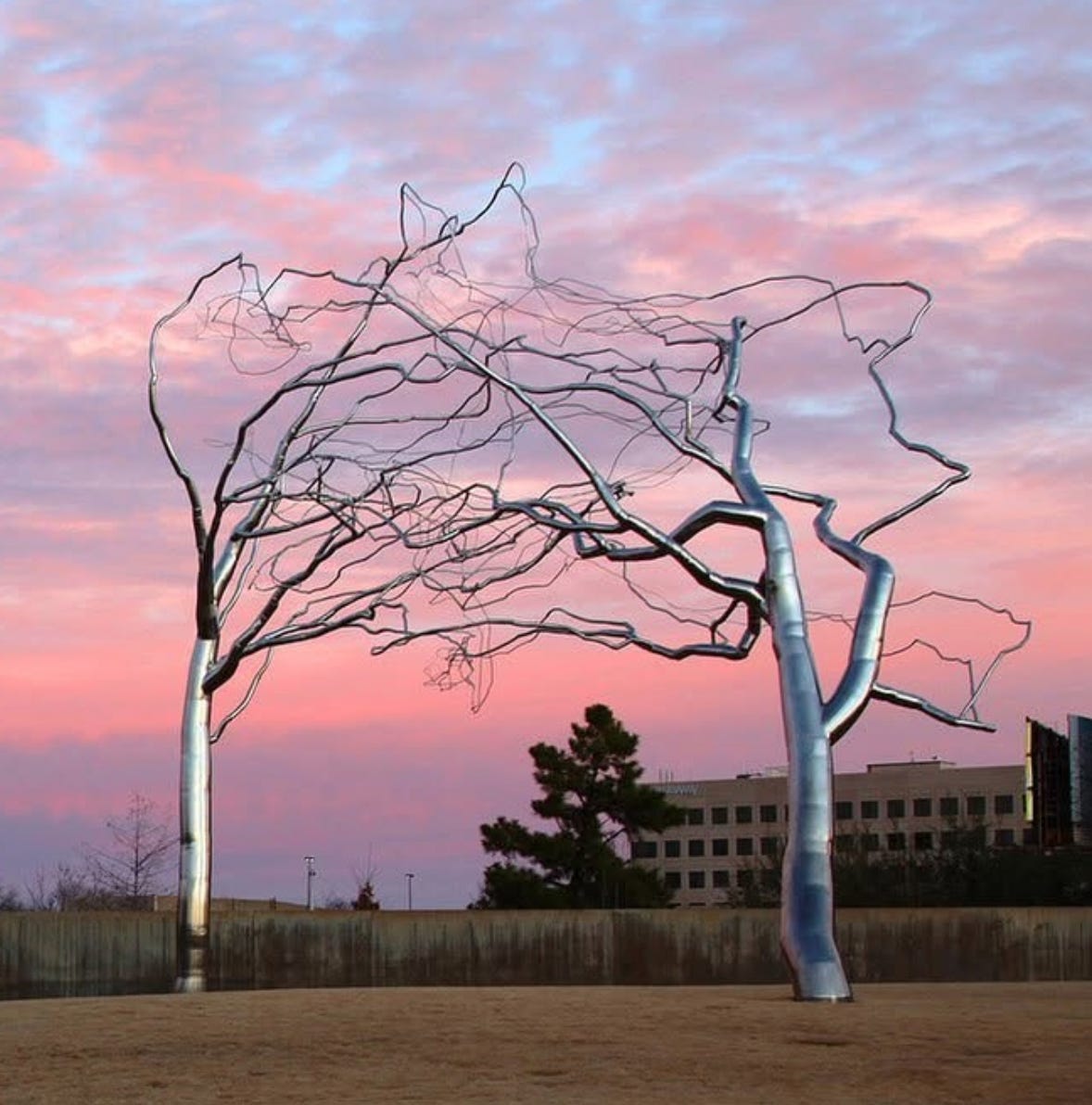
Roxy Paine
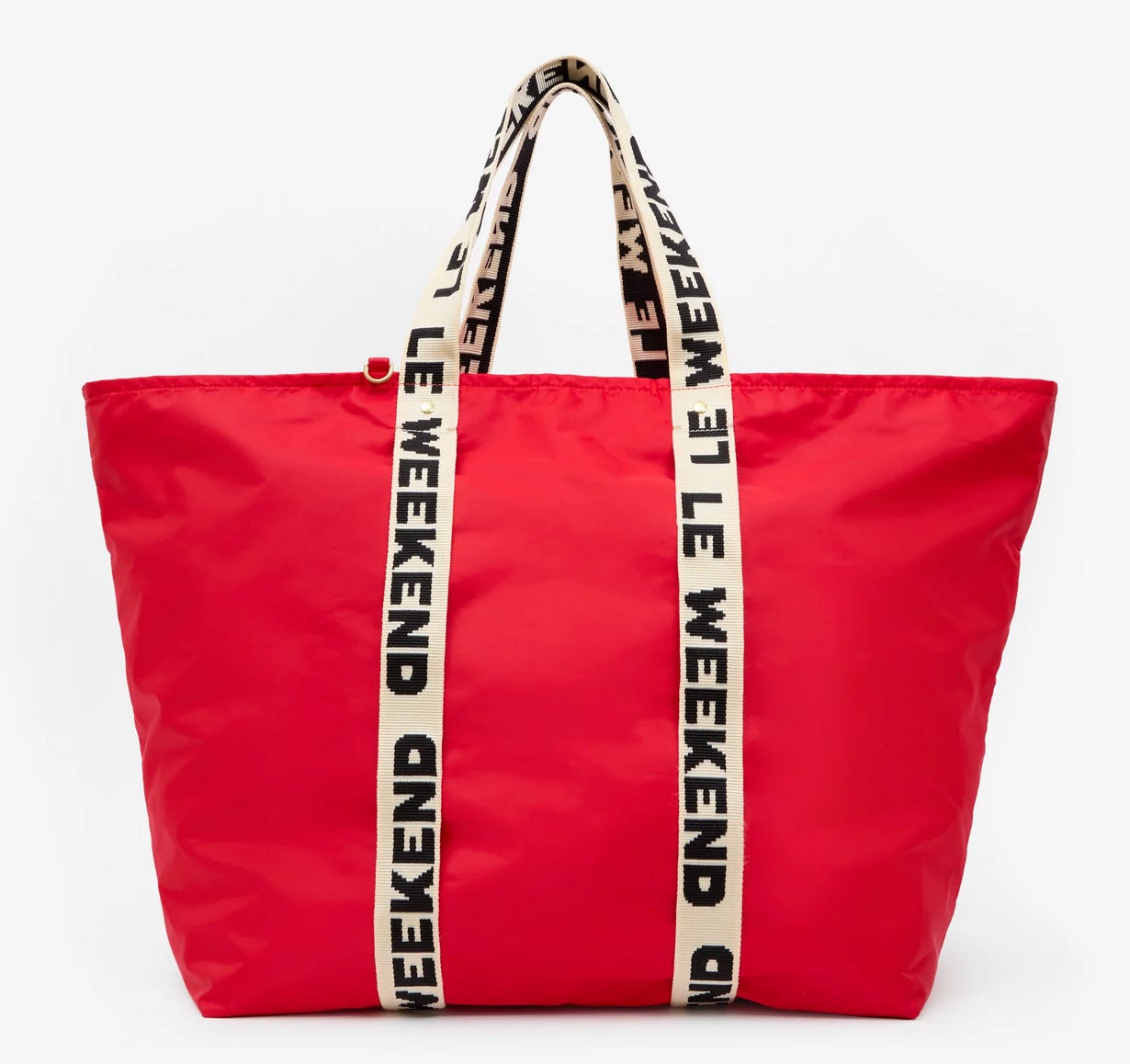
5) In love with this weekend tote by Clare V. (here):
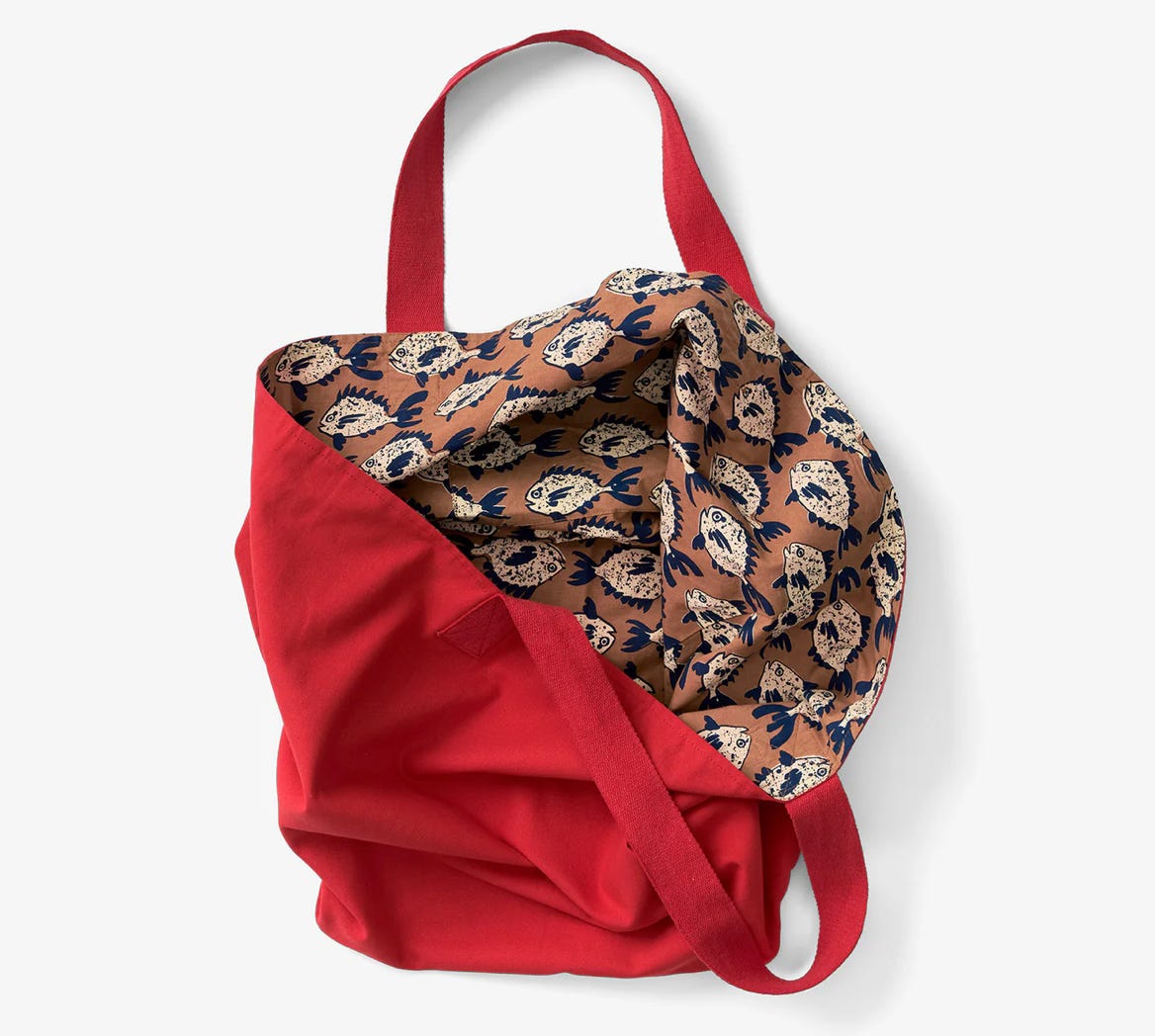
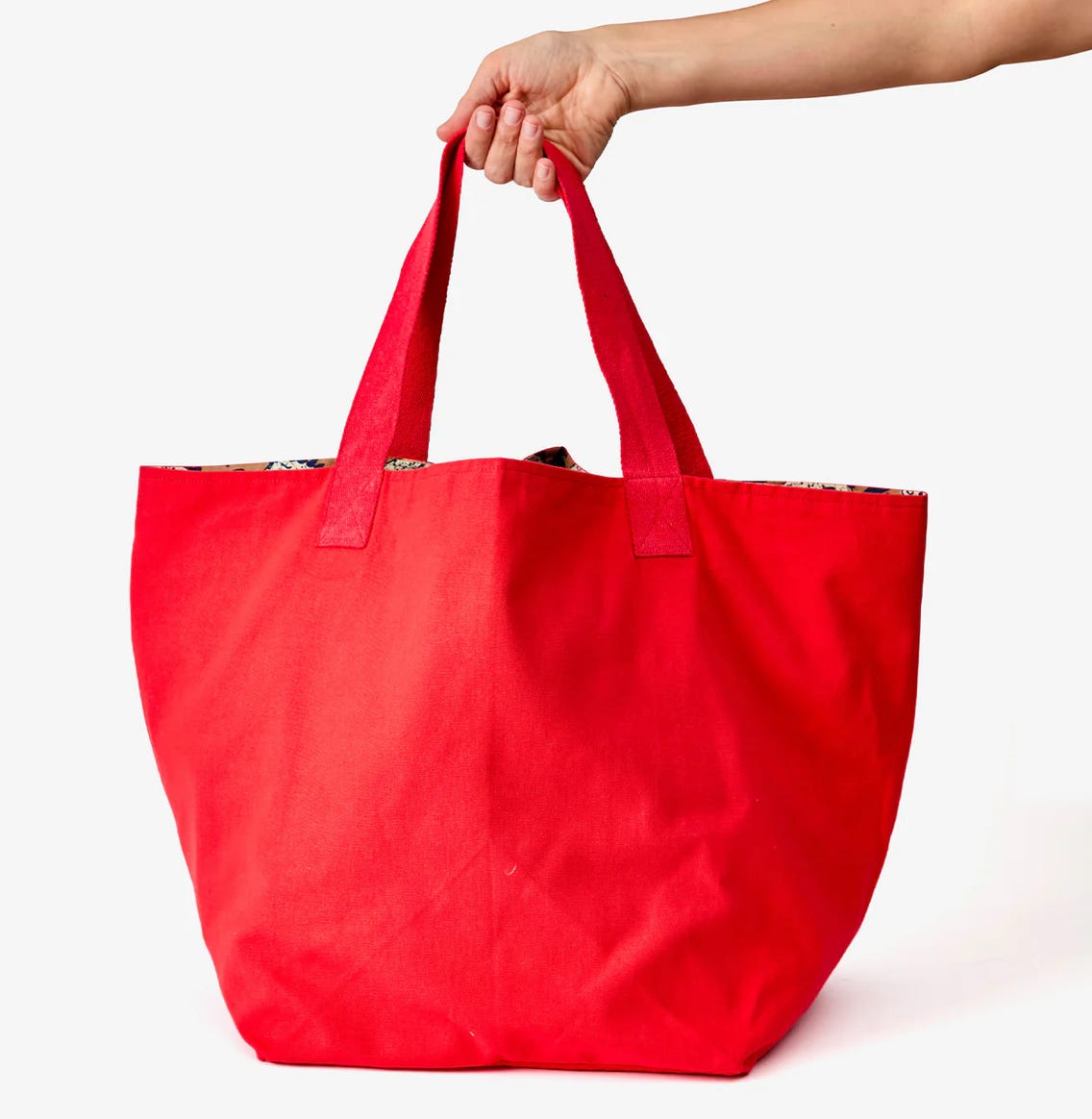
Which is almost as cool as the one I use when I travel, from Lewis is Home (here):
6) Loved reading Haley Nahman’s text on the shrug. Here.
7) In his column entitled “The Readers”, José Eduardo Agualusa asks (and answers), “What are, after all, readers?”
-Those people who practice the great art of becoming others.
- Those who walk slowly. The decelerators of the world.
- Beings capable of mourning the death of invented people.
- Those who doubt. Those who worry.
- Those who are amazed by a verse, a metaphor, the perfect adjective.
8) Seinfeld on meditating:
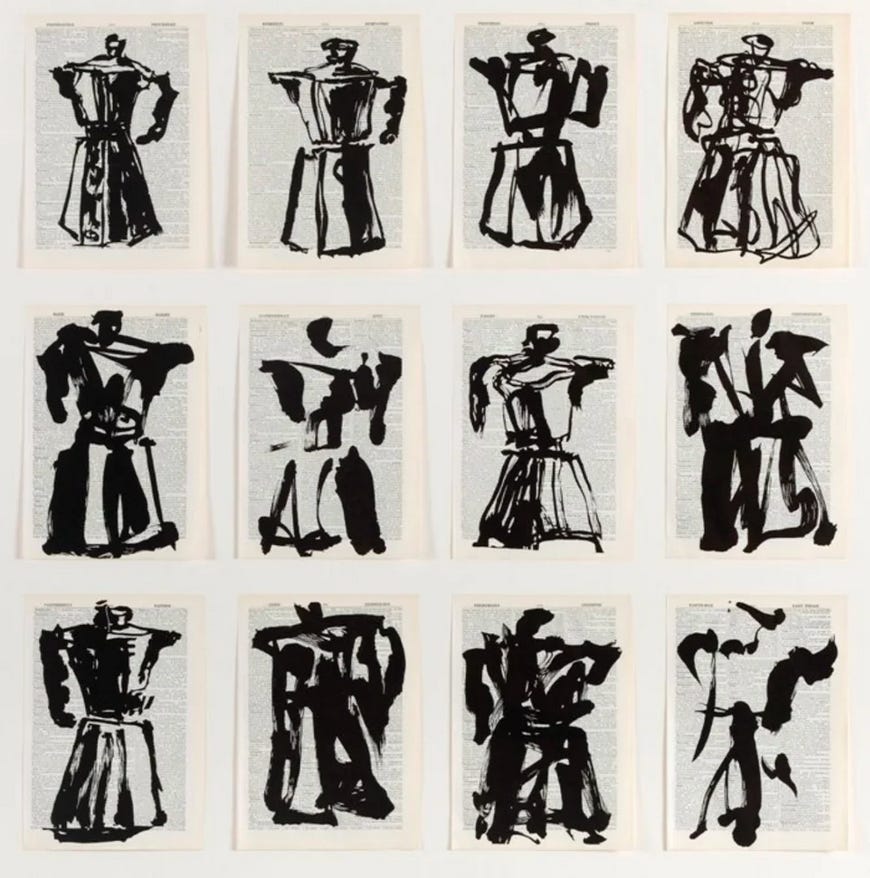
William Kentridge, Twelve Coffee Pots, 2012
9) Poem by António Barahona:
It's dangerous to cross
It's dangerous to stay in the middle
It's dangerous to be afraid
It's dangerous to stop
10) Playlist that has been playing here between NBA finals!