

Take That Step #50

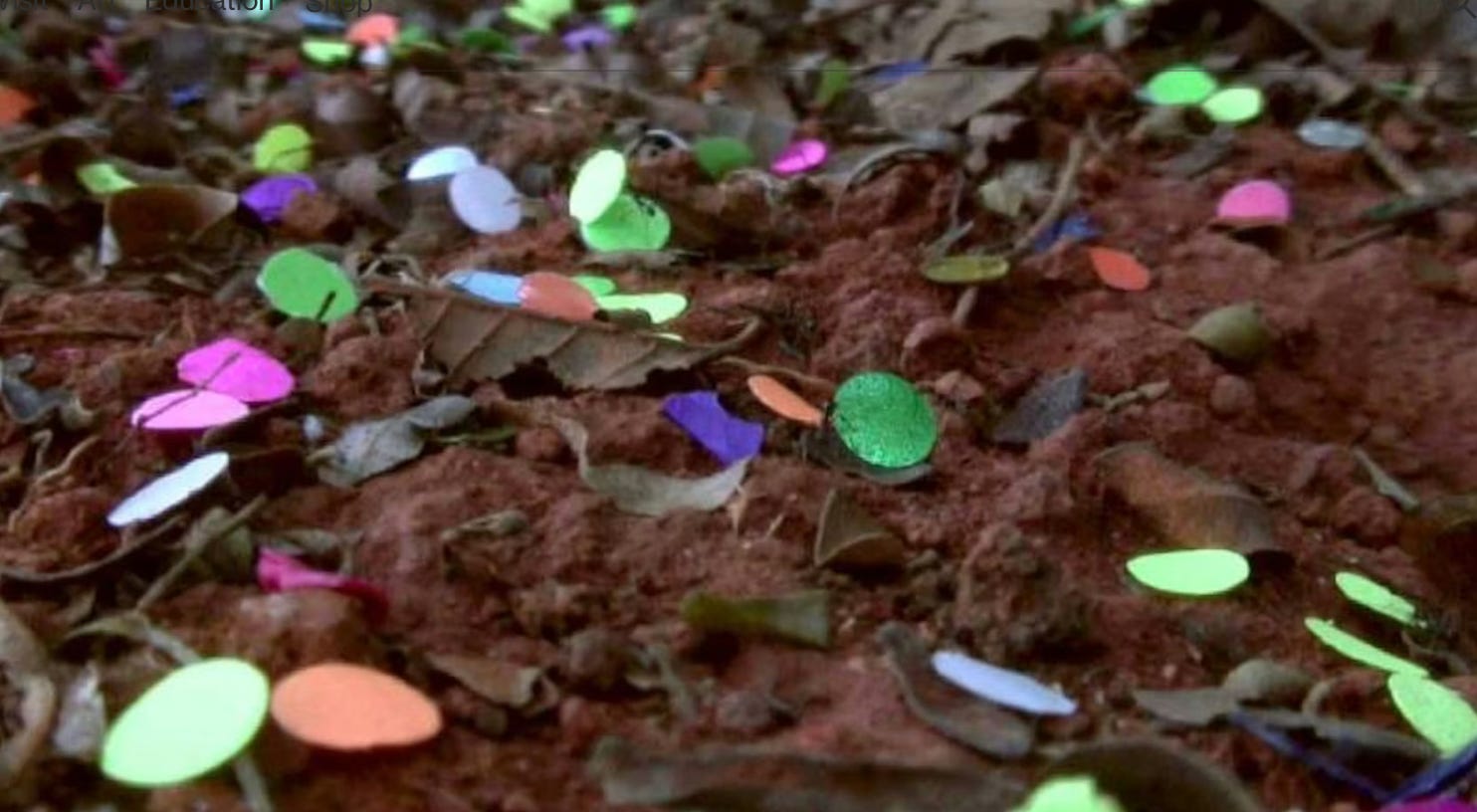
© Rivane Neuenschwander e Cao Guimarães. Cortesia Tanya Bonakdar Gallery, Nova York/Los Angeles; Fortes D’Aloia & Gabriel, Brasil.
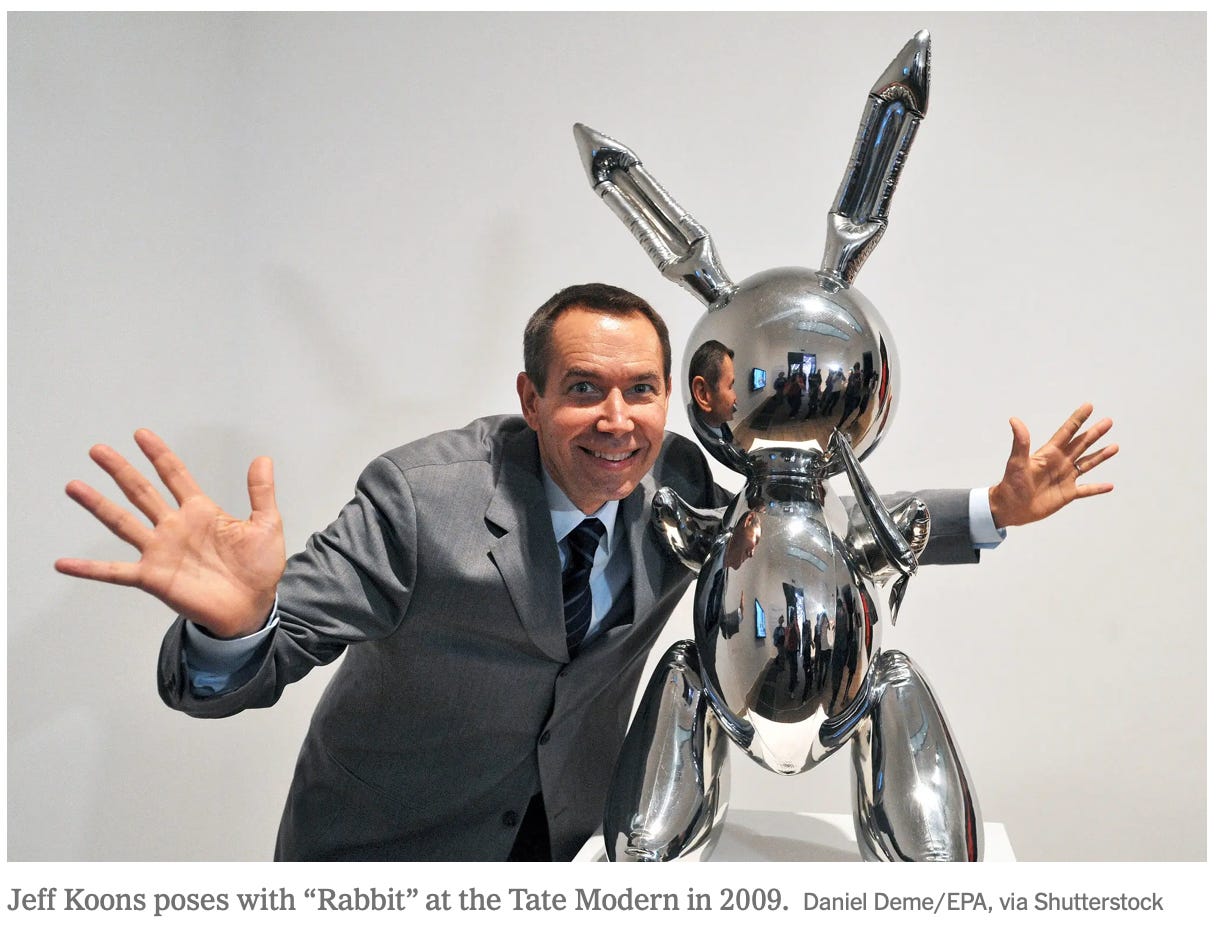
1) Last week I went to a Jeff Koons talk and confirmed what I already knew – he’s brilliant. Some excerpts of what he said, written freely after my notes:
I’m very interested in “linking” devices. I always like to think about our biology, our genes, and our DNA—all is interconnected. These “currents” of our biology make the connection of your being with your history. And our cultural life is insane, it works the same way. These “links” are not only inside us – they are also outside, in all of the “cultural things.”
Debbie Harry [from the band Blondie] is here in the audience today. I feel like we have a cultural “link” — she’s definitely a very important person in my life. I think of Deborah, I think about black and white, I think about the clothes she wears, and the covers of her records.
These cultural links are also an inner connectivity. They are as real as our biology—the external culture we carry within us.
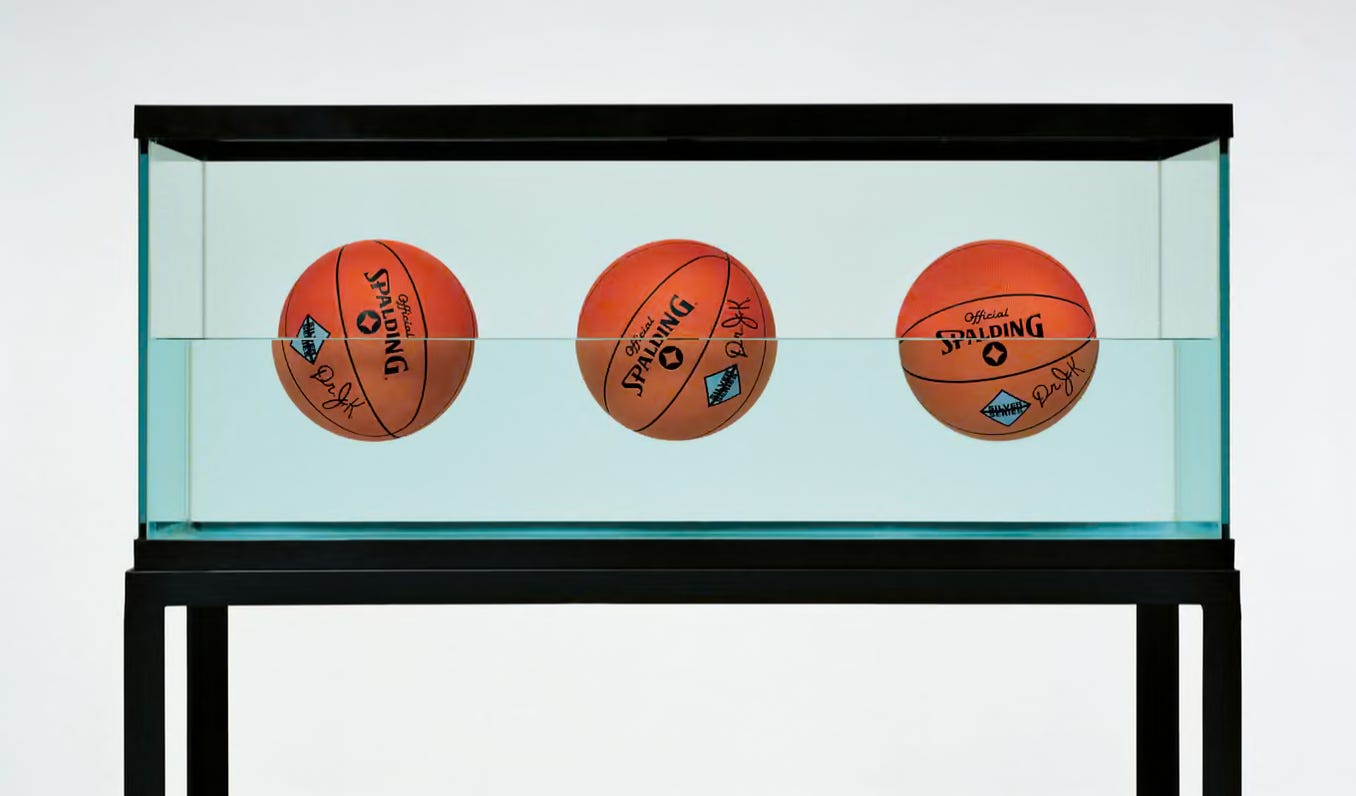
2) Jeff Koons on creativity:
I met Jordan Schmidt in Hamburg at a conference. I told him I thought creativity was being in the moment. And he said that creativity has been—throughout history—the condensation of information. He’s one of the supposed godparents of AI.
At first I did not find his answer so good, but I woke up the next morning and thought: my god, this idea is perfectly beautiful. And, of course, that’s what we do—we just condense information.
3) Jeff Koons on art:
When we look at art, we remember our creative ability. Anyone who sees an artwork feels like they can go further, in their own ways, too. The viewer feels empowered, recognizes their own potential and increases their ability to feel joy. Art is a metaphysical experience that takes us out of our own consciousness and helps us connect with the world around us.
4) The New York Times published a great newsletter on Valentine’s Day, here it is:
On Valentine’s Day, consider the ways in which we’re sticking to established paths — and the places where we yearn to deviate. After a blizzard in New York City, a pedestrian accustomed to crossing the street mid-block may find herself barricaded in, banks of plowed snow creating a fortress, forcing her to walk the length of the shoveled sidewalk to the crosswalk, as the urban planners intended. Follow the grid, same as everyone else, no shortcuts.
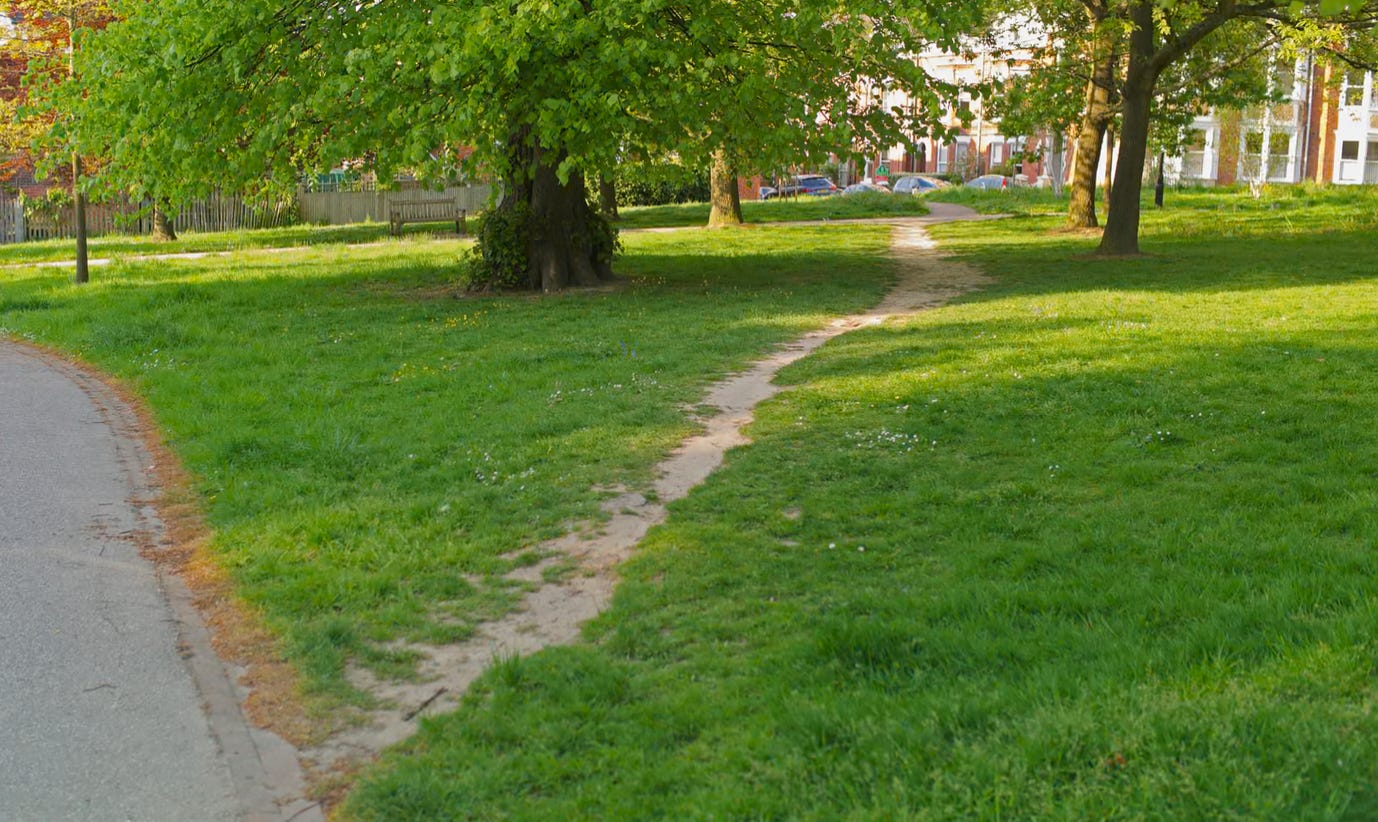
That is, unless someone has, mercifully, carved an incursion into the snow bank, creating a makeshift means of egress, a way out. These unofficial trails that permit deviation from the prescribed route are known as “desire paths.” Those dirt trails that branch off paved walkways in parks, offering a shorter route from A to B, are desire paths, too. Has there ever been a more romantic name for a traffic pattern? (Maybe there has? In 1978, William Least Heat-Moon published “Blue Highways,” an account of traveling U.S. back roads — they used to be blue on old highway maps — in his van after the loss of his job and the breakup of his marriage. A heartbreaking title, but desire path still wins, I think.)

The word desire has an ache in it. That’s why its application to a trail deviating from a snowy sidewalk is so affecting — it’s not just that I’d prefer to walk some other way, but I have a deep longing for another way. Imagine the planning commission meeting in which bureaucrats discuss desire paths in between more mundane-sounding plans for rezoning the waterfront and building a bus stop. Desire is so tender, so intimate, so individual.
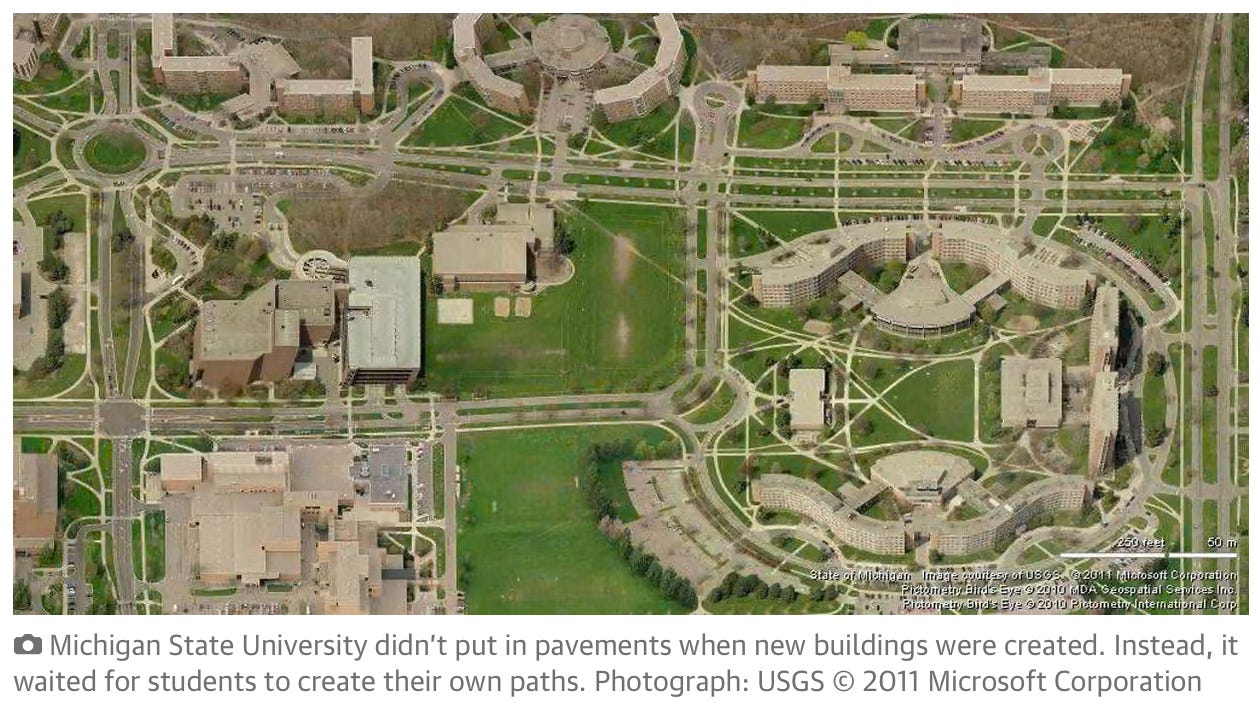
The metaphor feels too easy: chart your own course, color outside the lines, take the road less traveled (or, rather, create your own road). But when you add the word desire to the equation, the process of deviating from the established route feels more urgent. Desire paths are not just ways to get from one place to another. They’re evidence, over time, that an existing design is not adequate. They “indicate yearning,” a traffic engineer told The Times in 2003. There’s something gorgeous about the collective yearning signified by an alternate path through the snow or the lawn — a silent project in which people, over time, express a common desire. When I see a desire path right where I feel the urge to deviate from the official route, I feel connected to the pedestrians who had the same idea, whose desires mirrored my own.

It’s Valentine’s Day, a holiday that’s more closely associated with heart-shaped everything and dinner reservations than it is sincere expressions of emotion. If you’re feeling hemmed in by some established script for the day, why not consider your own desire path? What trail would you prefer to tread? How would you alter the terrain in your own life on an occasion that, while nominally devoted to honoring romance, can feel architected by forces that decided there’s one rose-strewn path we should all be following?
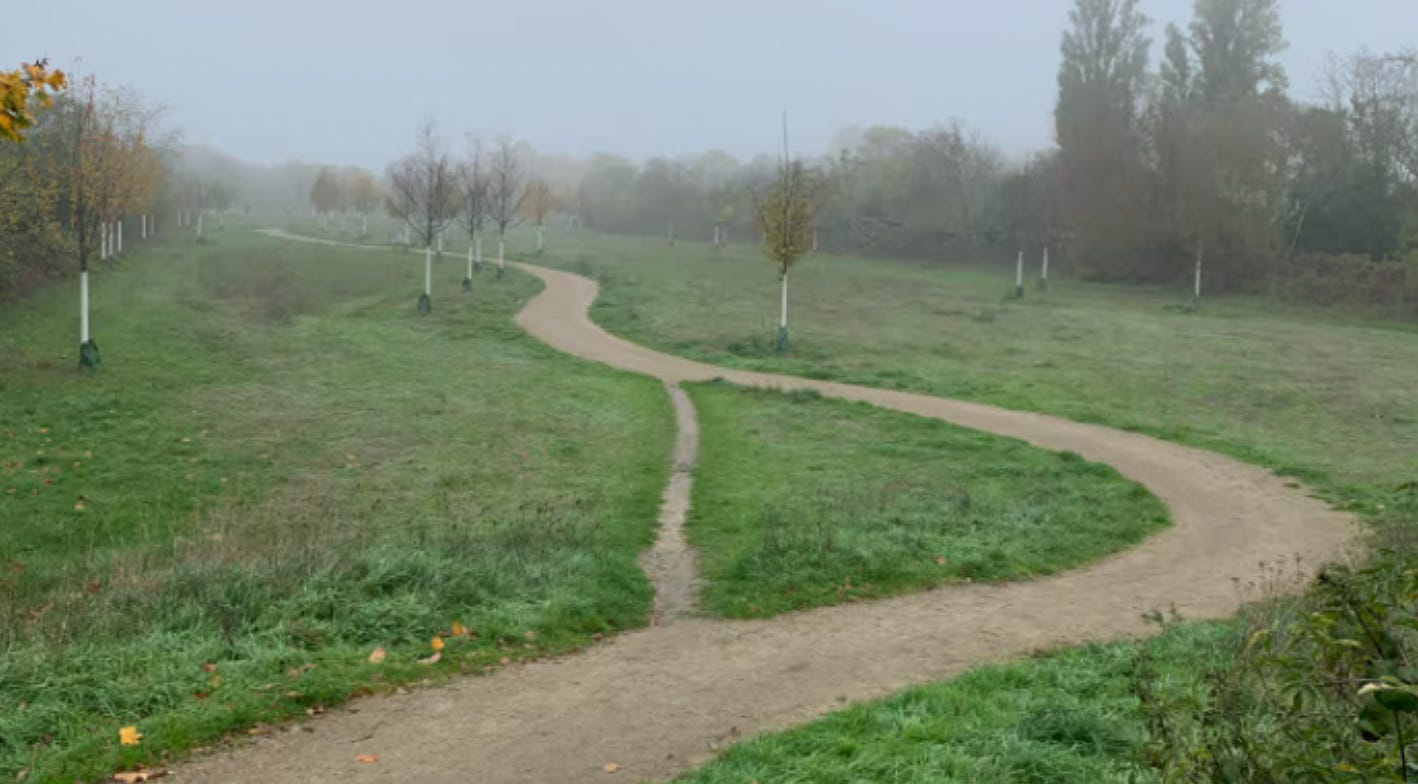
“Desire lines are inherently subversive,” my colleague Anna writes. “They remind us that we have a choice, and that we can veer away from what was laid out for us.” On the map of a life, as on the map of a city, desire lines scar the landscape, those alternate routes we took when we were impelled by yearning to strike out in a different direction. “A man who couldn’t make things go right could at least go,” Heat-Moon wrote in “Blue Highways” of his thinking on the eve of his 13,000-mile road trip. As the snow melts in the city and the physical desire paths go with it, I’m considering the simmering desire, mine and others’, to make new, metaphorical paths, to cut lines through drifts that are walling us in, to create new ways out when the old ones no longer suffice.
5) Flea, Red Hot Chili Peppers’ bass player, playing Frank Ocean on the trumpet:
6) Laura Wittner:
To translate is to think again about how you say everything.
7) André Tecedeiro:
I don’t even wear a watch.
There is so many different ways to measure time:A cigarette lasts five
minutesOne night’s sleep eight
hoursA love,
one loveA life
one life
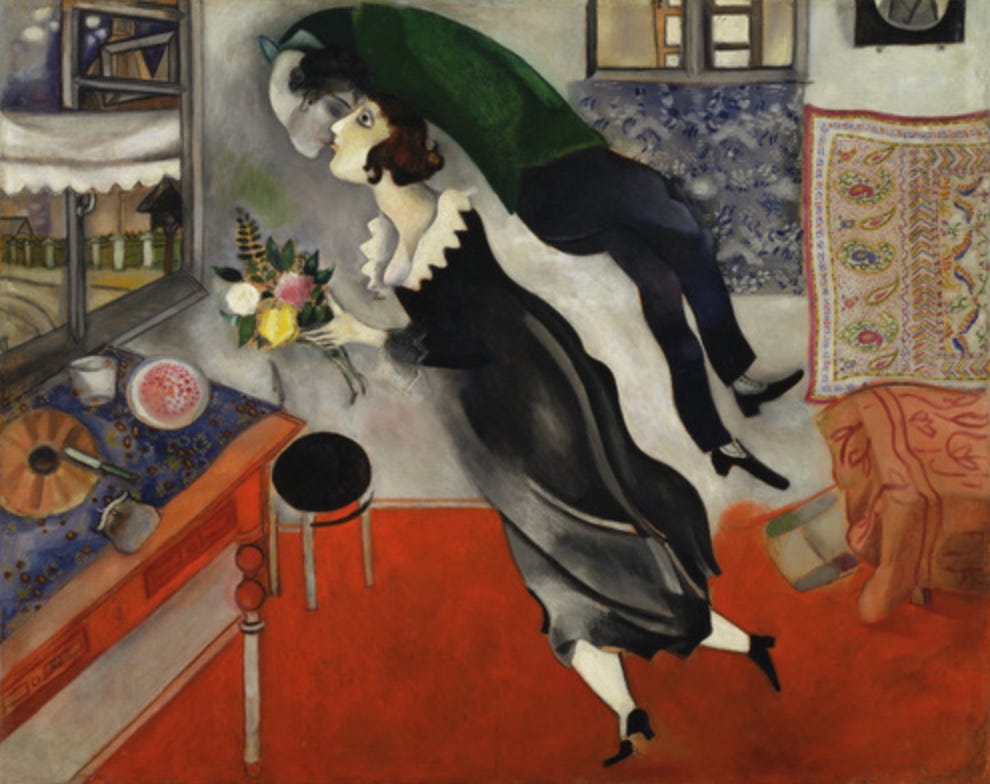
Marc Chagall, Birthday, 1915
8) I’m obsessed with the perfume I wear, Rose Tonnerre, from Frédéric Malle, but the other day I greeted a person that smelled so great that I thought I’d try this new fragrance — Un Matin d’Orange, by Annick Goutal.

9) In a mix of carnival in Brazil with freezing winter in New York, I enjoyed seeing the slippers created by artist Jeffrey Gibson for MoMA (here):

10) Playlist I made to listen on my way to São Paulo (where I’ll see Bad Bunny!):